
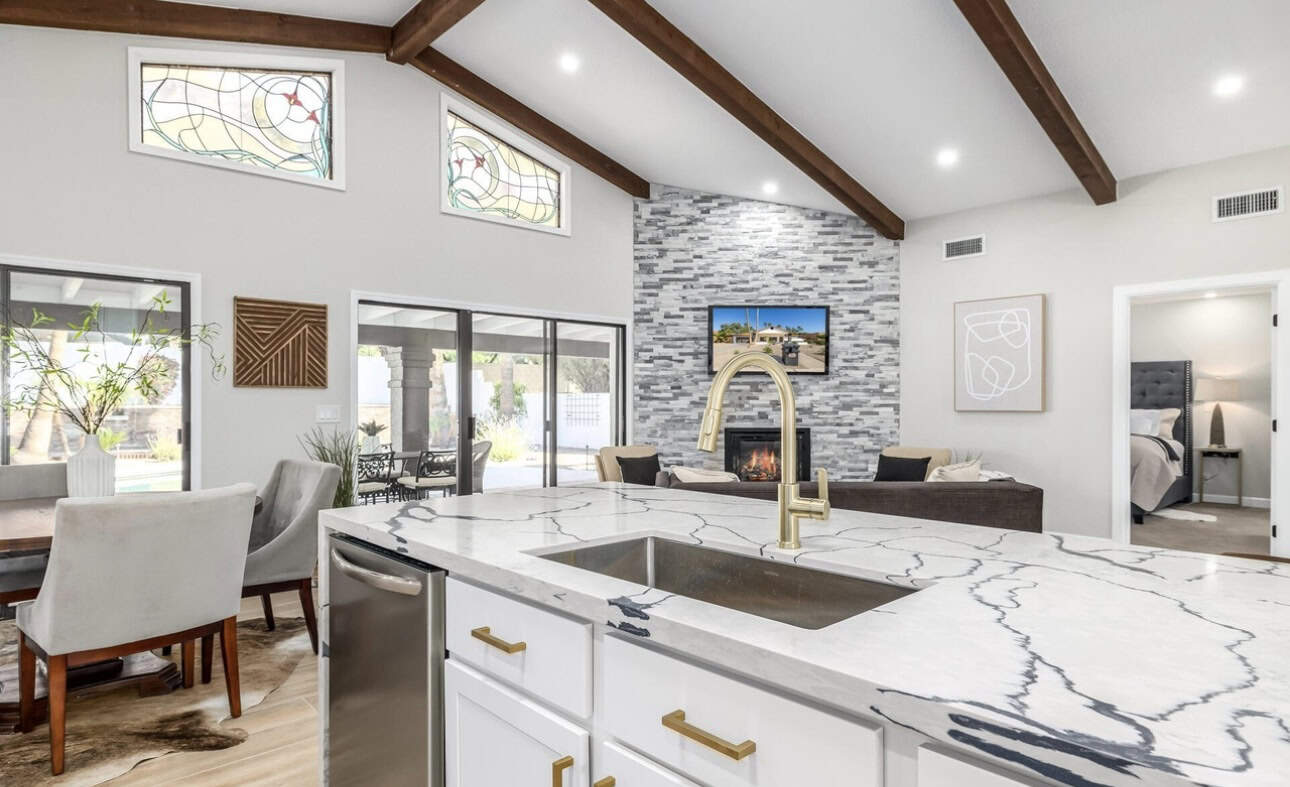
Embarking on Your Kitchen Transformation
A kitchen renovation represents one of the most significant investments you’ll make in your home, and approaching this journey with confidence requires careful planning, informed decision-making, and the right team by your side. Whether you’re a homeowner in Scottsdale, Chandler, or Gilbert looking to modernize your cooking space, understanding the complete renovation process will help you achieve the kitchen of your dreams while avoiding common pitfalls that can derail your project.
Setting the Foundations: Why Renovate Your Kitchen?
Understanding your motivation for undertaking a kitchen renovation is the crucial first step in your journey. For many homeowners in the Scottsdale area, the decision to remodel stems from a combination of functional needs and aesthetic desires. Perhaps your current kitchen layout no longer serves your family’s growing needs, or maybe outdated appliances and worn countertops have diminished both the beauty and efficiency of your space.
A well-executed kitchen renovation can dramatically increase your home’s resale value, with studies showing that kitchen remodels typically recoup 60-80% of their cost upon sale. Beyond financial considerations, your kitchen serves as the heart of your home, a gathering place where meals are prepared, conversations flow, and memories are created. Enhancing this space can fundamentally improve your daily quality of life.
In Scottsdale, Chandler, and Gilbert, homeowners often seek designs that incorporate indoor-outdoor living concepts, taking advantage of Arizona’s beautiful climate. The desert modern aesthetic (characterized by clean lines, natural materials, and abundant natural light) has become increasingly popular in these communities. Understanding these regional preferences can help you create a kitchen that not only meets your personal needs but also aligns with local design trends that appeal to future buyers.
Crafting Your Vision: Finding Inspiration and Setting Goals
The inspiration phase of your kitchen renovation should be both exciting and systematic. Start by creating a comprehensive vision board using platforms like Pinterest, Houzz, or Instagram, where you can collect images that resonate with your personal style. Pay attention to specific elements that catch your eye, whether it’s the warmth of natural wood cabinets, the sleekness of marble countertops, or the functionality of a well-designed island.
Local home tours in Scottsdale, Chandler, and Gilbert offer invaluable opportunities to see design concepts in person and understand how different materials and finishes look in Arizona’s unique lighting conditions. The intense desert sun can dramatically affect how colors and textures appear, making it essential to view samples in your actual space before making final decisions.
Setting clear, realistic goals involves honest conversations about how your family actually uses the kitchen. Do you need more counter space for meal preparation? Would a larger island facilitate homework sessions and casual dining? Is pantry storage a priority? Document your must-haves versus nice-to-haves, as this distinction will prove invaluable when making inevitable compromises during the design and budgeting phases.
Consider your timeline as well. Most kitchen renovations take between 6-12 weeks, depending on the scope of work. Understanding this upfront helps you plan around important events and set realistic expectations for when you’ll be able to fully enjoy your new space.
Budgeting Brilliantly: Managing Costs Without Compromise
Developing a comprehensive budget requires research, planning, and built-in flexibility. Start by determining your overall spending limit, then allocate percentages to different categories: typically 30-35% for cabinetry, 20-25% for labor, 15-20% for appliances, and the remainder for countertops, flooring, lighting, and fixtures.
In the Scottsdale, Chandler, and Gilbert markets, kitchen renovation costs can vary significantly based on material choices and project scope. A mid-range remodel might run $75-150 per square foot, while high-end renovations can exceed $200 per square foot. Local factors like permit costs (which vary by municipality) and the availability of specialized contractors should factor into your financial planning.
One often-overlooked aspect of budgeting is the contingency fund. Setting aside 15-20% of your total budget for unexpected expenses (like discovering water damage behind old cabinets or needing to upgrade electrical systems) provides crucial breathing room when surprises inevitably arise.
Prioritizing your spending means identifying which elements matter most to you. If you’re passionate about cooking, investing in professional-grade appliances might take precedence over designer lighting fixtures. Alternatively, if entertaining is your priority, allocating more budget toward a stunning island and high-end finishes might be the better choice.
Consider the long-term value of your investments as well. Energy-efficient appliances cost more upfront but deliver savings over time, particularly important in Arizona where cooling costs can be substantial. Similarly, durable materials like quartz countertops or solid wood cabinets may have higher initial costs but require less maintenance and replacement over the years.
Design Decisions: Choosing the Right Style and Layout
Selecting the right style and layout requires balancing aesthetic preferences with practical functionality. The layout forms the foundation of your kitchen’s efficiency, with the classic work triangle (connecting the sink, stove, and refrigerator) still providing valuable guidance for creating an efficient workspace.
Popular kitchen styles in the Scottsdale area include contemporary designs with clean lines and minimal ornamentation, transitional kitchens that blend traditional warmth with modern simplicity, and southwestern-inspired spaces that incorporate natural materials and earthy color palettes. Each style offers unique advantages, and your choice should reflect both your personal taste and your home’s overall architectural character.
Cabinet selection represents one of your most significant design decisions. Shaker-style cabinets remain timelessly popular, while flat-panel designs create a sleek, modern aesthetic. Consider whether you want painted finishes (which offer versatility and can brighten spaces) or natural wood tones that add warmth and character. Two-toned cabinetry (such as darker lower cabinets paired with lighter uppers) can add visual interest and help define different zones within your kitchen.
Countertop materials should balance durability, maintenance requirements, and aesthetics. Quartz offers excellent durability and comes in countless colors and patterns, while granite provides unique natural beauty. Quartzite combines the look of marble with superior durability, though at a higher price point. For budget-conscious homeowners, solid surface materials or high-quality laminate options have improved dramatically in recent years.
Lighting deserves careful consideration as it dramatically impacts both functionality and ambiance. Layer your lighting with task lighting for work areas, ambient lighting for overall illumination, and accent lighting to highlight architectural features or design elements. Under-cabinet LED strips, pendant lights over islands, and recessed ceiling fixtures can work together to create a well-lit, inviting space.
The Heart of the Home: Selecting Appliances and Fixtures
Appliance selection involves balancing performance, energy efficiency, style, and budget. In Arizona’s climate, energy-efficient appliances aren’t just environmentally responsible, they’re financially smart, helping reduce utility costs in a region where air conditioning expenses can be substantial.
Modern appliances offer impressive smart technology features, from refrigerators with inventory cameras to ovens you can preheat from your smartphone. While these features add convenience, evaluate whether you’ll actually use them before paying premium prices. Sometimes, investing in better performance and reliability serves you better than cutting-edge technology.
When selecting major appliances, consider whether you want a uniform, built-in look or prefer a mix of styles. Stainless steel remains popular for its versatility and durability, though fingerprint-resistant finishes have improved its practicality. Panel-ready appliances that accept custom cabinetry fronts can create a seamlessly integrated look, particularly effective in contemporary designs.
Sink and faucet selection might seem straightforward, but these workhorses of your kitchen deserve thoughtful consideration. Undermount sinks create clean lines and easy counter cleanup, while farmhouse sinks make bold style statements. Consider size, a larger, deeper sink accommodates big pots and baking sheets more easily. For faucets, pull-down sprayers offer flexibility, while touchless options provide convenience and hygiene.
Don’t overlook smaller fixtures and hardware, as these details significantly impact your kitchen’s overall aesthetic. Cabinet hardware (knobs, pulls, and hinges) should complement your chosen style while providing comfortable functionality. Spending a bit more on quality hardware pays dividends in both appearance and longevity.
Bringing it All Together: Hiring the Right Professionals
Selecting the right renovation team is perhaps the most crucial decision you’ll make in your kitchen renovation journey. In Scottsdale, Chandler, and Gilbert, you’ll find numerous contractors, but finding professionals who combine expertise, reliability, and excellent communication requires diligent research.
Start by seeking recommendations from friends, family, and neighbors who’ve completed successful renovations. Online reviews provide additional insights, though remember that extremely positive or negative reviews may not represent typical experiences. Look for contractors with consistent positive feedback regarding communication, timeliness, and problem-solving abilities.
Verify that potential contractors hold proper licensing and insurance. In Arizona, contractors must be licensed through the Arizona Registrar of Contractors, and you can verify their status and check for complaints through the ROC website. Insurance protects you from liability if workers are injured on your property or if damage occurs during construction.
Interview multiple candidates before making your decision. Prolific Builders recommends meeting with at least three contractors to compare approaches, personalities, and estimates. During these conversations, ask about their experience with projects similar to yours, their typical timeline, how they handle unexpected issues, and their communication protocols throughout the project.
Request detailed written estimates that break down costs by category (labor, materials, permits, and other expenses). The lowest bid isn’t always the best choice; extremely low estimates might indicate cut corners, while unreasonably high bids don’t necessarily guarantee superior quality. Look for estimates that fall within a reasonable range and provide transparency about what’s included.
Check references thoroughly. Speak with previous clients about their experiences, asking specific questions about communication, problem-solving, cleanliness, and whether the project was completed on time and within budget. If possible, visit completed projects to evaluate workmanship quality firsthand.
Preparing for the Big Day: What to Expect During Renovation
Once you’ve signed contracts and set a start date, preparation becomes essential for minimizing disruption and ensuring a smooth renovation process. Understanding what to expect helps you maintain perspective when challenges inevitably arise.
Create a temporary kitchen setup in another area of your home. A microwave, small refrigerator, coffee maker, and electric kettle can maintain basic functionality. Stock up on paper plates and disposable utensils to minimize dishwashing. Consider this an opportunity to explore local restaurants in Scottsdale, Chandler, and Gilbert that you’ve been meaning to try.
Establish clear communication channels with your renovation team. Regular check-ins (whether daily quick conversations or weekly detailed meetings) keep everyone aligned and allow you to address concerns before they become problems. Don’t hesitate to ask questions or request clarification about processes you don’t understand.
Expect dust, noise, and general disruption. Even with careful containment efforts, renovation creates mess. Plastic barriers help contain dust, but fine particles can still spread throughout your home. If you have respiratory sensitivities or small children, consider temporarily relocating during the most disruptive phases.
Be present for key decision points, but avoid micromanaging. Your contractor needs space to work efficiently, and constantly hovering can slow progress. Instead, schedule specific times to review progress and make necessary decisions about any unexpected issues that arise.
Document the renovation process with photos. These images serve multiple purposes: creating memories of the transformation, providing before-and-after comparisons, and documenting any issues that might need addressing. Time-lapse videos have become popular ways to capture and share renovation journeys.
The Final Flourish: Completing Your Kitchen Makeover
As your renovation nears completion, attention to detail becomes paramount. The final stages involve inspections, punch lists, and those finishing touches that transform a construction zone into your dream kitchen.
Schedule a thorough walkthrough with your contractor before they consider the job complete. Create a detailed punch list of any items requiring attention (cabinet doors that need adjustment, touch-up painting, or hardware that needs tightening). Reputable contractors expect this process and should address items promptly.
Municipal inspections ensure that all work meets local building codes. Depending on your project scope, you might need inspections for electrical, plumbing, and general construction. Don’t skip this step, as proper permits and inspections protect your investment and ensure work was completed safely and legally.
Final cleaning should leave your kitchen spotless and ready to use. While your contractor should provide basic cleaning, you might want to hire professional cleaners for a deep clean that addresses every corner, including the insides of cabinets and drawers.
Consider the small details that personalize your space. Fresh flowers, cookbooks displayed on open shelving, or decorative accessories add warmth and character. These finishing touches transform a beautiful kitchen into your kitchen, reflecting your personality and style.
A reveal party or simple gathering with family and friends provides a wonderful opportunity to celebrate your newly transformed space. After weeks or months of disruption, taking time to appreciate and share your accomplishment makes the journey feel complete.
Secrets to Success: Maintaining Your New Kitchen
Protecting your investment requires establishing smart maintenance routines from day one. Different materials and finishes require specific care approaches, and understanding these needs helps preserve beauty and functionality for years to come.
For countertops, prevention is key. Use cutting boards religiously, even on durable surfaces like quartz. Clean up spills promptly, particularly acidic substances like lemon juice or wine that can etch certain stones. Avoid placing hot pots directly on surfaces; trivets and hot pads provide essential protection.
Cabinet care involves regular cleaning with appropriate products. Most painted or finished wood cabinets need only mild soap and water, while harsh chemicals can damage finishes over time. Clean up cooking splatters quickly, as grease can build up and become difficult to remove. Check and tighten hardware periodically, as frequent use can loosen screws.
Appliance maintenance extends their lifespan and ensures optimal performance. Clean refrigerator coils every few months to improve efficiency. Descale your dishwasher regularly, and clean range hood filters to maintain proper ventilation. Consult manufacturer guidelines for specific maintenance requirements for each appliance.
In Arizona’s hard water conditions, mineral buildup can affect fixtures and appliances. Install water softeners if needed, and clean aerators on faucets regularly to maintain proper water flow. For stainless steel appliances and fixtures, specialized cleaners help maintain shine and prevent water spots.
Sustainable practices align with growing environmental consciousness in the Scottsdale area. Composting reduces waste while creating valuable soil amendments for gardens. Energy-efficient practices (running full dishwasher loads, using lids on pots to reduce cooking time, and properly maintaining appliance seals) reduce utility costs while benefiting the environment.