Why Your Bathroom Deserves a Makeover
Your bathroom is more than just a functional space, it’s a personal retreat where you start and end each day. Yet, for many homeowners, this essential room remains an afterthought, stuck with outdated fixtures, cramped layouts, and uninspiring designs. Transforming your bathroom into a stylish sanctuary isn’t just about aesthetics; it’s about creating an environment that promotes relaxation, rejuvenation, and well-being.
Homeowners throughout Scottsdale, Chandler, and Gilbert are discovering that a thoughtfully designed bathroom renovation offers remarkable benefits. Beyond the immediate visual impact, a modernized bathroom significantly increases property value, making it one of the smartest home improvement investments you can make. According to real estate professionals, bathroom renovations typically recoup 60-70% of their cost upon resale, with high-end remodels often achieving even better returns.
But the advantages extend far beyond financial considerations. A well-designed bathroom enhances your daily lifestyle, providing a private oasis where you can escape the stresses of everyday life. Whether you’re envisioning a spa-like retreat with luxurious soaking tub or a sleek, modern space with cutting-edge fixtures, the right bathroom transformation can fundamentally change how you experience your home. As the Arizona housing market continues to thrive, investing in your bathroom isn’t just about keeping up with trends, it’s about creating a space that truly serves your needs and reflects your personal style.
Assess Your Bathroom Space: Understanding What You Have
Before diving into design magazines and fixture catalogs, take time to thoroughly evaluate your current bathroom. This assessment phase is crucial for identifying opportunities and understanding the scope of your renovation project.
Start by examining the existing layout. Does the current configuration maximize the available space, or do awkward placements create bottlenecks and wasted areas? Consider the location of major elements like the toilet, shower, and vanity. Sometimes, simply repositioning these fixtures can dramatically improve functionality without requiring extensive structural changes.
Identifying Problem Areas
Walk through your bathroom with a critical eye, noting specific pain points. Common issues include:
- Outdated fixtures that leak or function poorly
- Insufficient storage leading to cluttered countertops
- Poor lighting that makes morning routines challenging
- Inadequate ventilation causing moisture problems
- Worn flooring or tile showing age and damage
- Limited counter space around sinks
- Cramped shower or tub areas
Recognizing Strengths to Preserve
Not everything in your current bathroom may need replacement. Perhaps you have excellent natural light from a well-placed window, or your bathroom already enjoys generous square footage. Maybe the existing plumbing locations work efficiently for your needs. Identifying these strengths helps you allocate your renovation budget more effectively, focusing resources where they’ll make the greatest impact.
Take measurements and photos of your space. Document plumbing and electrical outlet locations. This information will prove invaluable when working with design professionals and will help you visualize potential changes more accurately.
Inspiring Design Trends for a Modern Look
The bathroom design landscape has evolved dramatically in recent years, with contemporary trends emphasizing clean lines, natural materials, and seamless integration of technology. Understanding these trends helps you create a bathroom that feels current while remaining timeless.
Minimalist Elegance
Minimalist design continues to dominate modern bathroom aesthetics. This approach emphasizes simplicity, with clean geometric forms, uncluttered surfaces, and a “less is more” philosophy. Floating vanities create visual spaciousness while making floor cleaning easier. Frameless glass shower enclosures maintain open sightlines, making even modest bathrooms feel larger and more luxurious.
Natural Material Integration
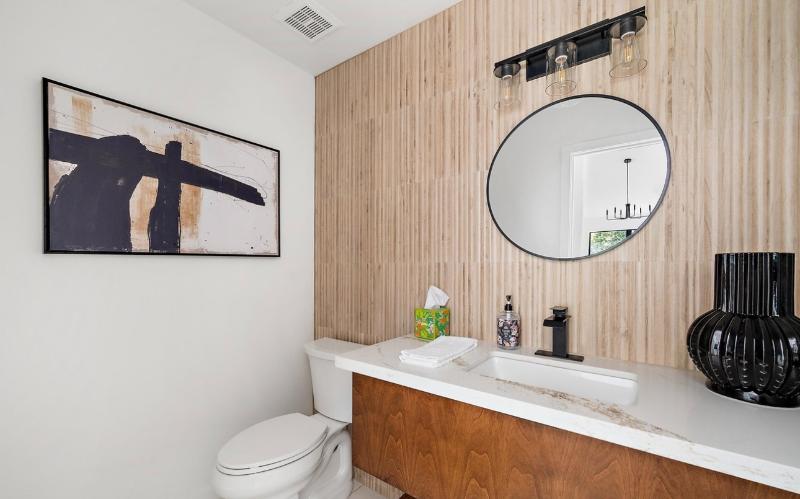
Arizona homeowners particularly appreciate design elements that connect indoor spaces with the natural beauty outside. Incorporating materials like natural stone, wood accents, and textured tiles brings warmth and organic beauty to bathroom environments. Travertine, limestone, and marble surfaces pair beautifully with wood vanities or shelving, creating spaces that feel grounded and serene.
Bold Statement Features
While minimalism provides the foundation, contemporary bathrooms often incorporate one or two bold statement pieces that become focal points. This might be a stunning freestanding bathtub positioned as sculptural art, a dramatic accent wall featuring geometric tiles, or a show-stopping chandelier that adds unexpected glamour to the space.
Technology Integration
Modern bathrooms seamlessly incorporate smart technology that enhances comfort and convenience. Digital shower controls allow precise temperature settings, heated floors provide luxury underfoot, and integrated speakers enable you to enjoy music or podcasts during your morning routine. These technological additions elevate functionality while maintaining clean, uncluttered aesthetics.
Creating a Functional Layout: Balancing Style and Utility
A beautiful bathroom that doesn’t function well quickly becomes frustrating. Successful renovations balance aesthetic appeal with practical utility, creating spaces that are both gorgeous and genuinely livable.
Optimizing Traffic Flow
Consider how you move through your bathroom during daily routines. The most effective layouts provide clear pathways and prevent congestion, especially in master bathrooms shared by two people. Ideally, you should have at least 30 inches of clearance in front of major fixtures and 15 inches of space on either side of the toilet.
Strategic Storage Solutions
Adequate storage transforms bathroom functionality. Built-in recessed shelving in shower areas keeps products accessible without cluttering. Deep drawer vanities organize toiletries more effectively than traditional cabinet doors. Medicine cabinets with integrated lighting combine storage with essential task lighting. Consider vertical storage solutions that maximize wall space without consuming valuable floor area.
Zone Planning for Shared Spaces
In bathrooms used by multiple family members, creating distinct zones for different activities prevents morning bottlenecks. A double vanity allows two people to prepare simultaneously. A separate water closet provides privacy while others use the vanity area. Thoughtful zoning makes shared bathrooms function like separate spaces.
Water-Efficient Fixtures
Functional design in today’s bathrooms includes environmental responsibility. Low-flow toilets, water-saving showerheads, and efficient faucets reduce water consumption without sacrificing performance. These fixtures lower utility bills while supporting conservation, particularly important in Arizona’s desert climate.
Selecting the Perfect Fixtures: From Tubs to Taps
Fixtures serve as the jewelry of your bathroom, combining functional necessity with design impact. Selecting the right pieces requires balancing aesthetic preferences, quality considerations, and budget realities.
Luxurious Bathing Options
The centerpiece of many bathroom renovations is the bathing area. Freestanding soaking tubs make dramatic statements and provide spa-like relaxation experiences. Walk-in showers with multiple spray heads offer luxurious functionality for those who prefer showering. Consider your actual bathing habits when making these decisions, a gorgeous tub that never gets used represents wasted space and budget.
Vanity and Sink Selections
Vanities anchor bathroom design while providing essential storage and counter space. Contemporary options range from sleek wall-mounted designs that maximize floor space to substantial double vanities that establish grandeur. Sink choices include undermount styles for seamless countertops, vessel sinks that make artistic statements, or integrated sink-countertop combinations for clean, modern aesthetics.
Faucet and Hardware Finishes
Coordinated finishes throughout your bathroom create visual cohesion. Popular choices include brushed nickel for timeless appeal, matte black for contemporary drama, or warm brass tones that add subtle luxury. Quality matters significantly with these frequently-used items, invest in solid construction and reputable manufacturers to ensure longevity.
Toilet Technology
Today’s toilets offer remarkable advances beyond basic functionality. Dual-flush models provide water-saving options for different needs. Comfort-height designs reduce strain, particularly beneficial for older adults. One-piece toilets offer sleek profiles and easier cleaning compared to traditional two-piece models.
Elevating the Atmosphere with Lighting and Accessories
Lighting profoundly influences how we experience spaces, and bathrooms benefit tremendously from thoughtful illumination strategies that combine functionality with ambiance.
Layered Lighting Approach
Effective bathroom lighting employs multiple layers to serve different purposes. Ambient lighting provides overall illumination, often through recessed ceiling fixtures or a statement chandelier. Task lighting at the vanity ensures adequate brightness for grooming activities; ideally, this includes fixtures mounted on either side of mirrors at face height to eliminate shadows. Accent lighting highlights architectural features or creates mood through dimmers that allow adjustment throughout the day.
Natural Light Maximization
Arizona’s abundant sunshine offers a valuable design asset. Strategically placed windows flood bathrooms with natural light while maintaining privacy through frosted glass, strategic positioning, or window treatments. Skylights bring daylight into interior bathrooms that lack exterior walls, creating bright, cheerful environments that reduce daytime energy consumption.
Accessory Selection
Thoughtfully chosen accessories personalize your bathroom sanctuary. Plush towels in coordinating colors add comfort and visual warmth. Live plants introduce natural elements that thrive in humid bathroom environments. Artwork selected for bathroom display adds personality, consider pieces with moisture-resistant framing. Storage baskets combine functionality with texture. Hardware details like towel bars, robe hooks, and toilet paper holders should coordinate with faucet finishes for cohesive design.
Color Schemes and Textures: Creating a Cohesive Vision
Color and texture selections dramatically influence bathroom atmosphere, establishing moods that range from serene and spa-like to energizing and bold.
Timeless Neutral Palettes
Neutral color schemes provide versatile foundations that remain appealing over time. Soft whites, warm grays, and beige tones create calming environments while serving as perfect backdrops for accent colors introduced through accessories. These palettes maximize light reflection, making bathrooms feel more spacious and bright, particularly valuable in smaller spaces.
Strategic Color Accents
While neutral bases offer longevity, accent colors inject personality and visual interest. Consider featuring bold tile patterns on a single accent wall, selecting a colorful vanity as a statement piece, or introducing rich tones through towels and accessories that can be easily updated as preferences evolve.
Textural Depth
Varying textures prevents monochromatic bathrooms from feeling flat or sterile. Combine smooth polished surfaces like glass and glossy tile with rougher natural textures like stone or wood. Matte finishes on some elements contrast beautifully with reflective surfaces elsewhere. This textural variety adds sophistication and visual richness that single-texture spaces cannot achieve.
Material Coordination
Successful bathroom design thoughtfully coordinates materials throughout the space. If you’re featuring natural stone on floors, consider complementary tile for shower walls. Wood vanities pair beautifully with stone countertops. Metal fixtures should coordinate in finish. This doesn’t mean everything must match perfectly, in fact, too much matching can feel monotonous, but materials should relate harmoniously within your overall design vision.
Green Innovations: Eco-Friendly Bathroom Solutions
Sustainable bathroom design represents both environmental responsibility and forward-thinking investment. Eco-friendly renovations reduce resource consumption, lower operating costs, and appeal to environmentally conscious buyers should you eventually sell your home.
Water Conservation Technologies
Arizona homeowners understand water’s precious value. Modern low-flow toilets use 1.28 gallons per flush or less compared to older models consuming 3.5-7 gallons. High-efficiency showerheads maintain satisfying water pressure while reducing flow rates. Smart faucets with sensors prevent water waste. These technologies collectively reduce household water consumption by thousands of gallons annually while lowering utility bills.
Sustainable Material Selections
Environmentally responsible materials include recycled glass tiles, reclaimed wood vanities, and countertops made from recycled paper or glass composites. Bamboo, a rapidly renewable resource, offers beautiful, water-resistant flooring and cabinetry options. Low-VOC paints and sealants improve indoor air quality by minimizing harmful chemical off-gassing.
Energy-Efficient Lighting and Heating
LED lighting consumes 75% less energy than incandescent bulbs while lasting 25 times longer. Programmable heated floors provide luxurious comfort exactly when needed without continuously consuming energy. Energy Star-rated ventilation fans effectively manage humidity while minimizing electricity use.
Long-Term Durability
Perhaps the most sustainable choice involves selecting durable, high-quality materials that won’t require premature replacement. Quality fixtures, solid construction, and timeless design choices mean your bathroom renovation serves you beautifully for decades rather than requiring updates every few years.
Practical Steps for a Successful Bathroom Renovation
Transforming your bathroom vision into reality requires careful planning, realistic expectations, and strategic decision-making throughout the renovation process.
Establishing Your Budget
Begin by determining how much you’re comfortable investing in your bathroom transformation. Research typical costs for renovations of your desired scope, modest updates might range from $10,000-$25,000, while comprehensive remodels often cost $25,000-$50,000 or more depending on size and material selections. Build in a contingency fund of 10-20% for unexpected issues that commonly arise during renovations, particularly in older homes.
Defining Your Priorities
With budget established, prioritize which elements matter most to you. Perhaps you’re willing to select mid-range tile to allocate more budget toward a luxurious soaking tub. Maybe updated plumbing and perfect functionality trump high-end finishes. Clear priorities help guide decision-making throughout the project.
Selecting the Right Professionals
Partner with experienced professionals who understand bathroom renovations thoroughly. Look for contractors with strong portfolios showcasing similar projects, verified licenses and insurance, and positive customer reviews. Initial consultations should feel collaborative, with professionals listening carefully to your vision while offering practical expertise about what’s achievable within your budget and space constraints.
Planning the Timeline
Typical bathroom renovations take 3-6 weeks depending on project scope and complexity. Understand that delays occasionally occur due to material delivery issues, unexpected structural discoveries, or permit processes. Plan accordingly if the bathroom being renovated is your only one, you may need temporary arrangements with family, friends, or even a hotel for portions of the project.
Making Selections Early
Avoid project delays by selecting materials, fixtures, and finishes early in the process. Long lead times on certain items can extend timelines if not ordered promptly. Your contractor can provide guidance on when specific selections need confirmation.
Communicating Throughout the Process
Maintain regular communication with your renovation team. Schedule check-ins to review progress, address questions, and make any necessary adjustments. Good contractors welcome your involvement and keep you informed about each project phase.